In Orange City’s persistently humid climate, mold problems often start where homeowners aren’t looking—inside the air duct system. Based on what we see in Central Florida homes every day, even small duct leaks can pull in warm, moisture-laden air, creating ideal conditions for mold growth long before visible signs appear. That’s why many mold issues return even after cleaning or remediation.
This page breaks down how properly sealed air ducts reduce moisture intrusion, stabilize airflow, and limit mold-friendly conditions, using real-world insights from homes in Orange City. You’ll learn why duct sealing is often the missing step in long-term mold prevention—and how addressing the problem at the duct level protects indoor air quality, not just surface areas.
Quick Answers
Air duct sealing in Orange City
Air duct sealing helps Orange City homeowners control humidity, reduce mold risk, and improve indoor air quality. In Central Florida’s humid climate, sealing leaky ducts prevents moisture-laden attic air from entering the HVAC system—allowing filters and equipment to work more effectively and keeping conditioned air where it belongs.
Top Takeaways
Mold risk often starts inside the duct system, not on surfaces.
Leaky ducts pull in humid air, increasing condensation and mold potential.
Sealed ducts help control moisture and stabilize airflow.
Air filters work best when airflow is balanced and leaks are eliminated.
Keeping indoor humidity below 60% supports long-term mold prevention.
How Air Duct Sealing Helps Reduce Mold Risk in Orange City Homes
Orange City’s humid climate makes moisture control one of the biggest challenges for homeowners. From first-hand evaluations of Central Florida homes, leaky ductwork is a common but often overlooked contributor to mold problems. Small gaps in air ducts can pull warm, moisture-heavy air from attics or crawlspaces into the system, where it cools, condenses, and creates the damp conditions mold needs to grow.
Proper air duct sealing in Orange City helps stop this moisture intrusion at the source. By closing leaks and improving airflow consistency, sealed ducts reduce condensation inside the system and help your HVAC equipment maintain better humidity control. This not only limits mold-friendly conditions but also prevents mold spores from being circulated throughout the home.
While duct sealing isn’t a replacement for mold remediation, it plays a critical role in long-term prevention. For Orange City homeowners, sealing air ducts is a proactive way to protect indoor air quality, reduce recurring mold issues, and support a healthier home in a high-humidity environment.
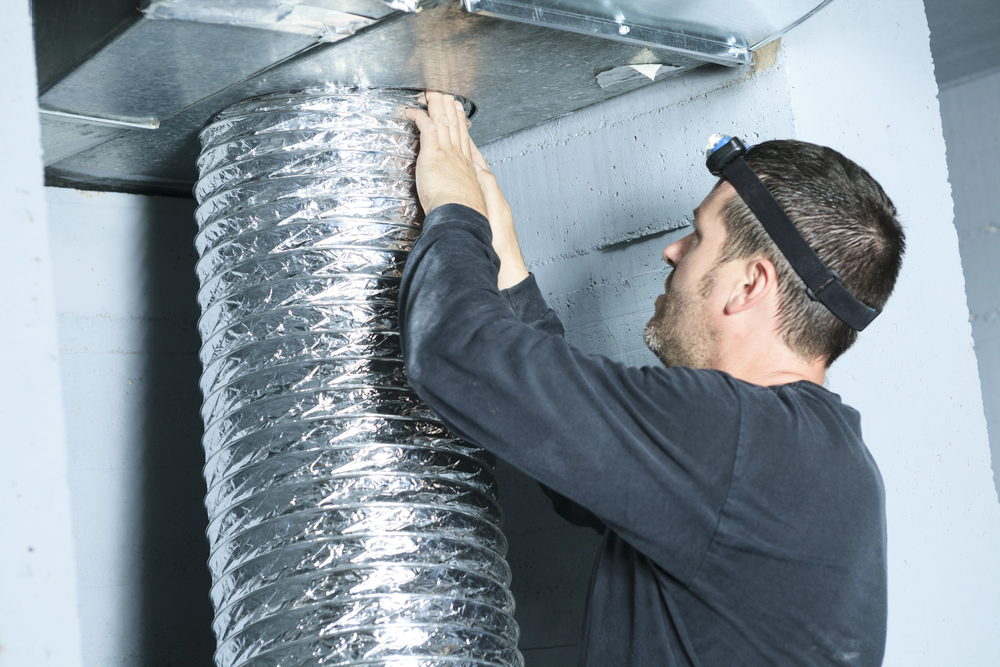
“In Orange City homes, we routinely find that recurring mold issues trace back to leaky ductwork pulling humid attic air into the system. Sealing those ducts removes a hidden moisture source most homeowners don’t realize is fueling mold growth.”
Essential Resources on air-filter-for-home.net
Choosing the right air filter—and understanding how it fits into your home’s overall air quality—can feel overwhelming. These trusted resources cut through the noise with expert-backed guidance, real-world insights, and practical next steps, so you can make confident decisions for your home and family.
EPA Guide to Air Cleaners in the Home — Start With the Science
https://www.epa.gov/indoor-air-quality-iaq/guide-air-cleaners-home
Backed by the U.S. Environmental Protection Agency, this guide explains how air cleaners and HVAC filters actually work, what they can improve, and where their limits are—so you’re building better air with facts, not guesswork.
Consumer Reports Air Filter Buying Guide — Unbiased, No-Hype Advice
https://www.consumerreports.org/appliances/air-filters/buying-guide/
Consumer Reports breaks down MERV ratings, filter performance, and real-life effectiveness without brand influence, helping homeowners avoid overpaying or under-filtering.
Trane: How to Protect Your HVAC System From Mold — Manufacturer Expertise
https://www.trane.com/residential/en/resources/blog/protect-hvac-system-from-mold/From an HVAC manufacturer’s perspective, this resource explains how moisture, airflow, and system design contribute to mold—reinforcing why filtration and humidity control must work together.
Apex Clean Air: Duct Cleaning & Mold Prevention — The Missing System Link
https://apexcleanair.com/the-connection-between-duct-cleaning-and-mold-prevention/
Highlights how even the best air filter can’t do its job if ducts are compromised, emphasizing a whole-home approach to cleaner, healthier air.
Supporting Statistics
1. Most Americans spend nearly all their time indoors
According to the EPA, people in the U.S. spend about 90% of their time indoors, where pollutant concentrations can be 2–5 times higher than outdoor levels, underscoring why indoor air quality measures like proper filtration and moisture control are essential for health. EPA
2. Moisture control is key to preventing mold
EPA guidance emphasizes that controlling moisture indoors is the principal way to prevent mold growth, and that mold can grow anywhere moisture is present in a home—highlighting why addressing hidden moisture sources like leaky ducts is critical. EPA
3. Dampness and mold significantly affect asthma prevalence
Research estimates that about 21% of current asthma cases in the U.S. are attributable to dampness and mold exposure in homes, translating to millions of cases annually and demonstrating the real health impact of poor moisture management. Indoor Air
Final Thought & Opinion
In Orange City’s humid climate, mold prevention is less about reacting to visible problems and more about eliminating the conditions that allow mold to grow. From firsthand experience evaluating Central Florida homes, recurring mold issues are rarely caused by one isolated factor—they’re usually driven by hidden moisture, airflow imbalances, and leaky ductwork.
Our perspective, based on real-world results:
Most long-term mold problems start inside the duct system, not on surfaces.
Homeowners often focus on filters or remediation while moisture continues entering through duct leaks.
Sealing ducts allows HVAC systems to properly control humidity and airflow.
Why air duct sealing matters in humid climates:
Reduces moisture intrusion from attics and crawlspaces
Improves HVAC efficiency and airflow consistency
Supports healthier indoor air over the long term
In our view, air duct sealing is one of the most overlooked but effective steps in mold prevention. In Orange City homes, it’s not just an upgrade—it’s a foundational move toward cleaner air, fewer mold-related issues, and a home that works with the climate instead of against it.
Next Steps: What to Do Now
If you’re concerned about mold risk or indoor air quality, take these clear, practical steps:
1. Inspect your ductwork
Look for loose connections, damaged insulation, or dusty vents.
Musty odors or uneven airflow often point to hidden duct leaks.
2. Monitor indoor humidity
Use a hygrometer to track moisture levels.
Aim to keep indoor humidity below 60%.
3. Use the right air filter
Choose a high-quality HVAC filter rated for your system.
Replace it regularly to support clean airflow and efficiency.
4. Schedule a professional duct evaluation
Experts can identify leaks and pressure issues you can’t see.
This is especially important in older homes or attic duct systems.
5. Build a long-term air quality plan
Combine duct sealing, humidity control, and routine HVAC maintenance.
Consistency is key to reducing mold risk over time.
FAQ on Air Duct Sealing in Orange City
Q: What is air duct sealing and why does it matter in Orange City?
A:
Seals leaks and weak connections in HVAC ductwork.
Prevents humid attic or crawlspace air from entering the system.
Supports better moisture control and indoor air quality.
Q: Does air duct sealing help reduce mold risk?
A:
Yes, based on real-world home evaluations.
Reduces moisture intrusion inside ducts.
Makes conditions less favorable for mold growth.
Q: How can I tell if my Orange City home needs duct sealing?
A:
Musty odors when the HVAC runs.
Uneven room temperatures.
High indoor humidity or excess dust.
Common in homes with attic ductwork or older systems.
Q: Is duct sealing worth it in Central Florida’s humid climate?
A:
Especially valuable in high humidity.
Improves airflow balance.
Helps HVAC systems manage moisture more effectively.
Q: How does duct sealing work with air filters and HVAC maintenance?
A:
Sealed ducts improve filter performance.
Airflow becomes more consistent.
Supports long-term system efficiency with routine maintenance.
Here is the nearest branch location serving the Aventura FL area…
Sealed ducts improve filter performance.
Airflow becomes more consistent.
Supports long-term system efficiency with routine maintenance.
Filterbuy HVAC Solutions - Miami FL
1300 S Miami Ave Unit 4806, Miami, FL 33130
(305) 306-5027